

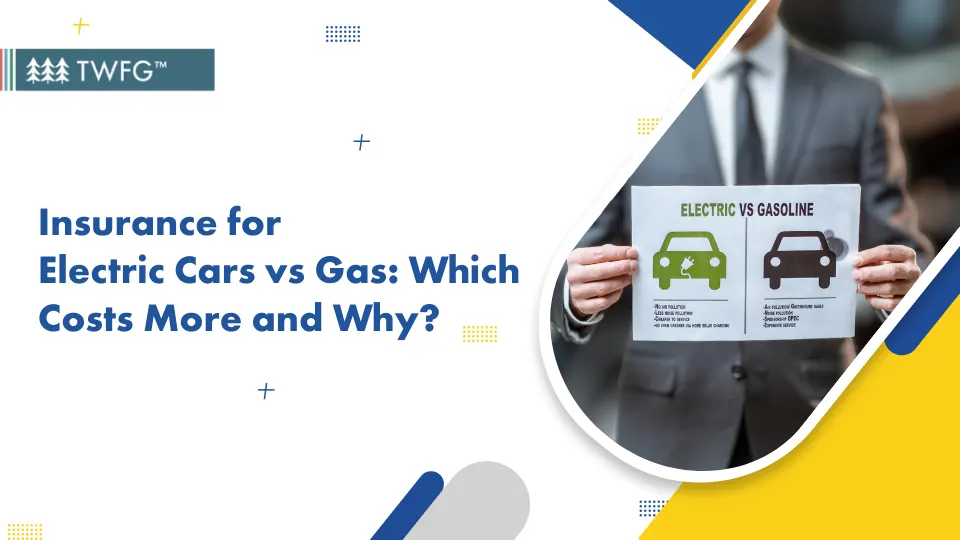
| Summary: The annual insurance costs for electric vehicles are usually higher than those for gas-powered ones, according to insurers. The primary factors that contribute to the disparity in premiums between electric and gas cars include the high repair and replacement costs, difficulties posed by the technology, expensive specialized parts such as batteries and electronics, limited service stations, and the probability of attracting more insurance claims costs. When businesses and fleet operators decide to change to EVs, they should very carefully weigh these points in addition to the advantages of fuel, maintenance, and the environment. |
The environmental benefits, reduced fuel costs, and a more comfortable driving experience have all contributed to the rise in popularity of electric vehicles. Yet, insurance an essential part of the total cost of ownership is often overlooked by most buyers. Although electric vehicles can lead to savings in fuel and occasional maintenance, they are usually subjected to higher insurance rates compared to traditional oil and gas powered vehicles.
Insurance companies tend to view EVs as riskier from a cost perspective. That perception stems not from an increased likelihood of accidents but from the high expense of repairs, complex technology, and greater replacement costs. In this article, we explore the differences in insurance for EVs and gas cars, why EV coverage tends to cost more, and what buyers should keep in mind when comparing insurance plans.
Why Do EVs Cost More to Insure Than Gas Cars?
Insurance for electric vehicles is basically higher because EVs are characterized by the use of high-priced pieces and the application of advanced technology, which in turn demands the presence of skilled workers for their repair. Although the factors like your driving record and place of residence are still significant, the way an electric car is made and designed usually results in higher premiums. The total increase in auto insurance rates all over the country has also made the difference in the cost of coverage for electric and gasoline cars more visible.
Higher Cost for Repairs and Replacements
High costs for the repair or replacement of an electric vehicle (EV) are considered to be one of the prime factors for the increase in EV insurance premiums. Electric vehicles, for example, utilize very advanced and costly battery systems, high-voltage electrical parts, and unique electronics. If these parts are broken, even in what might be a small accident for an internal combustion car, the cost of the repair may rise enormously.
For instance, a report from a leading data aggregator indicates that EV insurance premiums average $4,058 per year, compared with $2,732 for gas cars — a 49 percent difference. Insurers explain that the higher cost reflects potential payouts for claims. Because EVs are newer, more complex, and often costlier to repair or replace, insurers price in the risk accordingly.
Complexity of Technology and Parts Availability
Electric vehicles are dependent on proprietary tech, software, and specialized electronics. The mentioned systems frequently necessitate certified technicians and certain parts that are not as easily accessible as the components for regular internal-combustion cars. The limited availability increases the costs and the time taken for the repairs, which are considered in the premiums by the insurers.
In addition, EV repair duration is usually longer due to the cautious treatment of high-voltage systems, battery diagnostics, and calibration needs, among others. The lengthy repair period gives rise to the probability of incurring higher insurance claim costs, vehicle downtime, and rental car reimbursements.
Higher Risk from Total Loss and Replacement Value
Several electric vehicles have higher initial purchase prices or market prices as compared to conventional gasoline-powered cars. Insurance rates are determined by the value of the vehicle — expensive cars have higher insurance costs. In case of complete loss, electric vehicles need to pay more to the insurers, which is the reason for higher premiums.
In addition, battery damage or structural issues often motivate insurers to write off the entire vehicle rather than attempt costly battery or electronics repairs. This elevates the risk of high payouts.
Regional Variations and Infrastructure Impact Insurance Costs
Insurance premiums for EVs vary significantly depending on state, local EV adoption rates, and availability of certified repair facilities. In regions with limited EV infrastructure or few certified shops, premiums tend to be higher.
As adoption rises and EV repair infrastructure expands, some of this premium gap may shrink — but for now, businesses operating fleets across multiple states should budget for these variations.
What Commercial Buyers Should Know: Electric vs Gas Car Coverage
For organizations considering EVs, either for executive use, employee fleets, or service vehicles, the difference in insurance cost matters. Here are the main considerations for fleet and business buyers:
- When calculating the total cost of ownership, factor in higher insurance premiums alongside savings from fuel and maintenance.
- Choose comprehensive coverage that includes battery and electronics protection. With EV repair and replacement costs high, liability-only or minimal coverage may leave significant exposure.
- Understand local repair infrastructure. In regions with few EV-certified shops, insurance risk — and therefore premiums — will remain high.
- Consider vehicle selection carefully. Premiums vary widely depending on model and value. High-end or luxury EVs attract the highest rates.
- Compare multiple insurers. As EV adoption grows, competition among insurers may yield better rates or EV-specific discounts.
- Reassess total costs over time. As battery technology matures, repair costs fall, and EV infrastructure expands, the insurance cost gap may narrow.
Will EV Insurance Costs Eventually Decrease?
Currently, the insurance for electric vehicles is pricey; nevertheless, numerous indicators denote that this difference will lessen as the sector matures. The market is still grappling with new technology, scarce repair alternatives, and costly components. The financial source of EV premiums is expected to lighten as the ecosystem advances. The transition will take time, but there are already a few distinct trends that will lead to a more equitable future.
Growing Access to Skilled EV Technicians
At the moment, fixing an electric vehicle needs considerable technical skills. There will be an increase in repair capacity as more independent garages get certified for EVs, and the cost of labor will be more competitive. The larger network will help to ease the bottleneck that leads to higher insurance rates.
Improvements in Battery Design
The manufacturers plan to use modular battery systems in the future, which will allow for the repair of individual parts instead of the entire pack being replaced. This will not only reduce the chances of small damages resulting in total loss claims but also aid in managing the costs of repairs.
Better Data for Insurers
As EV ownership expands, insurers will have richer data on claims, repair frequency, and long-term performance. With more accurate information, pricing models become less conservative and more aligned with actual risk.
Lower Production and Part Costs
Scaling production will reduce the cost of EV components. More affordable parts lead to lower repair bills, which directly influence claim payouts and future premiums.
Lower Theft Rates
The Highway Loss Data Institute presents evidence that numerous electric vehicles face fewer theft incidents when compared to gasoline-powered cars. The inherent technology of tracking and sophisticated security features acts as a big barrier. Insurers get fewer theft claims, which in turn leads to reduced insurance premiums in the long run.
What Can You Do?
If your business is in a high-risk sector, the most also the most effective way of keeping yourself safe is by taking constant, reasonable measures that not only help up your coverage but also lower the risk in the first place. In the Houston area and throughout Texas, firms involved in petroleum and natural gas, construction, shipping, manufacturing, and security services are under strict regulation and dealing with complicated legal issues. The plan is to manage the risks by taking preventive measures rather than being reactive and losing first.
The following is a list of actions that support your efforts to stay in the good books with the authorities, enhance your insurance position, provide your operations with even better protection, and secure affordable insurance plans for EVs and gas cars.
Review Your Current Policies
Start with an exhaustive assessment of all existing policies. Find out the places where limits, exclusions, and endorsements meet one another. It frequently happens that large-risk operations neglect to cover such important risks that are not included in the insurance, for instance, environmental issues, errors made by contractors, or machine failures.
Confirm Regulatory Compliance
Texas’s industries are controlled by certain state and federal regulations. The oil and gas industry, for instance, has to comply with the Texas Railroad Commission’s rules. The building and manufacturing sectors have to adhere to the OSHA regulations. The maritime sector has to observe the relevant Coast Guard and port rules. Insurance that is in line with compliance not only shields your enterprise from fines but also accelerates the flow of projects through the pipeline.
Document Equipment and Safety Practices
Insurers get a clearer picture of the risk-reducing measures that you take through accurate records. Maintaining up-to-date records of equipment inspections, crew training, safety procedures, and maintenance schedules is a good practice. Proper documentation not only backs up your claims but also aids you in getting better rates at the time of policy renewal.
Strengthen Your Coverage Where Needed
Every high-risk sector carries distinct exposures. Consider strengthening areas such as:
- Pollution and environmental liability for oil and gas operations
- Maritime employers’ liability for shipping and offshore work
- Builders’ risk and contractor liability for Houston construction firms
- Workers’ compensation and commercial property for manufacturing plants
- Liability coverage for armed or unarmed security teams
Right-sized coverage protects assets, supports client requirements, and keeps contracts on track.
Request Faster COIs and Documentation
Most clients expect certificates of insurance without delay. Staying organized with COI requests helps prevent project interruptions. TWFG Khan issues certificates quickly, which is important for contractors, transport companies, and firms that rely on time-sensitive operations.
Ask About Risk Management Support
Proactive guidance can reduce claims, improve safety, and strengthen regulatory compliance. Many businesses benefit from advice on fleet management, employee training, subcontractor handling, and contract language. These steps help lower the long-term cost of insurance.
Compare Quotes From Multiple Carriers
Each insurer evaluates high-risk industries differently. Comparing options gives you access to better pricing and more suitable terms. This is especially important in energy, maritime, and manufacturing sectors where rates can vary widely.
Build a Long-term Insurance Strategy
A strong strategy should include coverage reviews, claims guidance, renewal planning, regulatory updates, and ongoing risk control. This approach helps maintain stability and protects your business as it grows.
Final Thoughts: Protect Your Fleet With Smarter Coverage
Understanding the real cost differences between insurance for electric cars vs gas and gas vehicles helps business owners make informed decisions as they build or expand their fleets. EVs often come with higher premiums due to specialized repairs and complex technology, while gas vehicles carry their own risks linked to maintenance, fuel systems, and long-term wear. What matters most is choosing a policy that fits the way your business operates.
In Houston and across Texas, companies in construction, logistics, security, oil and gas, and manufacturing rely on dependable transportation every day. Whether you are transitioning to EVs, staying with traditional models, or managing a mixed fleet, the right coverage protects your drivers, limits downtime, and shields your operations from unexpected losses.
TWFG Khan Insurance Services helps you navigate these choices with clear guidance, fast service, and solutions built around how your business works. You get industry-specific insight, quick certificates, and policies structured for real-world risks, offering the best electric vs gasoline car coverage for your fleet.
Get a Commercial Auto Quote You Can Trust
If you want insurance that keeps up with your fleet, we can help. TWFG Khan provides tailored commercial auto coverage for EVs, gas vehicles, or both. You get fast quotes, Houston and Texas-specific guidance, and support from advisors who understand high-risk operations.
Request a Quote Today
Protect your business with coverage that is built for the road ahead.
FAQs
Q1. Why Do EVs Cost More To Insure Than Gas Cars?
EVs cost more to insure because repairs and replacements — especially for batteries and electronics — tend to be significantly more expensive than conventional engine or bodywork. Limited parts availability and fewer certified repair shops also increase repair cost and delivery time, raising risk for insurers.
Q2. Is the Premium Difference the Same Everywhere?
No. Premium differences vary widely depending on geography, state infrastructure, EV adoption rate, and availability of EV-certified repair shops. In high-adoption states with strong EV infrastructure, the gap is typically smaller.
Q3. Does Higher Insurance Cost Negate the Savings From Fuel and Maintenance for EVs?
Not necessarily. Even though insurance for electric vehicles is costlier, cars running on electricity regularly have lower fuel and maintenance costs than those running on gas. For numerous companies, the total savings from fuel and maintenance, plus the environmental or regulatory benefits, may still be large enough to cover the costs of EV adoption if considered over several years.
Q4. What Coverage Should Businesses Consider for EV Fleets?
Fleets should aim for full coverage — not just liability — including comprehensive collision, battery/electronics protection, and coverage for specialized repair requirements. Given higher repair costs and replacement value, minimal coverage may leave a business exposed to high out-of-pocket costs.
Q5. Could EV Insurance Costs Drop in the Future?
Yes. As EV adoption grows, repair infrastructure improves, and EV parts become more common, insurers may lower premiums. Data over time will help them better assess risk and adjust pricing accordingly.

Sameer Khan is the Brand Director of TWFG Khan Insurance, a leading commercial insurance agency in Houston, Texas. With over 20 years of experience, he specializes in risk management solutions for diverse industries, offering tailored insurance programs that ensure protection and peace of mind for businesses and professionals.
